Bringing a new pet into your family is an exciting and life-changing decision. Whether you’re considering adopting a dog, cat, rabbit, or even a bird, finding the right match is crucial for creating a harmonious and lasting relationship. With so many factors to consider, from lifestyle and living space to personality and age, the process of choosing the perfect pet can feel overwhelming.
Bringing a new pet into your family is an exciting and life-changing decision. Whether you’re considering adopting a dog, cat, rabbit, or even a bird, finding the right match is crucial for creating a harmonious and lasting relationship. With so many factors to consider, from lifestyle and living space to personality and age, the process of choosing the perfect pet can feel overwhelming.
1. Understanding the Importance of Pet Adoption
Why Adopt?
Adopting a pet from a shelter or rescue organization saves lives and provides a second chance to animals in need. Millions of pets are abandoned or surrendered each year, and adoption helps reduce overcrowding in shelters.
Benefits of Adoption
- Cost-Effective: Adoption fees are often lower than purchasing a pet from a breeder or pet store.
- Health Check: Adopted pets are typically spayed/neutered, vaccinated, and microchipped before being placed in homes.
- Variety of Choices: Shelters have pets of all ages, breeds, and sizes, making it easier to find the right match.
Myths About Adopted Pets
- Myth: Shelter pets are damaged or have behavioral issues.
- Fact: Many pets end up in shelters due to unforeseen circumstances, such as their owners’ relocation or financial difficulties. Most are loving, adaptable, and ready for a new home.
2. Assessing Your Family’s Needs and Lifestyle
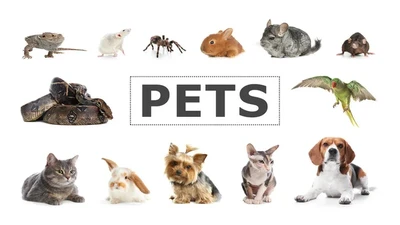
Activity Level
- High-Energy Families: If your family enjoys outdoor activities, a high-energy dog like a Labrador Retriever or Border Collie might be a great fit.
- Low-Key Households: For quieter homes, a cat, senior dog, or smaller pet like a rabbit may be more suitable.
Time Commitment
- Consider how much time you can dedicate to a pet. Dogs, especially puppies, require more attention and training than cats or small animals.
Living Space
- Small Apartments: Cats, small dogs, or low-energy breeds like Bulldogs or Pugs are ideal for limited spaces.
- Houses with Yards: Active dogs like Golden Retrievers or German Shepherds thrive in homes with outdoor space.
Allergies
- If someone in your family has allergies, consider hypoallergenic breeds like Poodles or hairless cats. Spend time with the pet before adopting to ensure compatibility.
Children and Other Pets
- Some pets are more tolerant of children or other animals. Research breeds and temperaments to find a pet that will get along with your family members.
3. Choosing the Right Type of Pet
Dogs
Dogs are loyal, social, and great for families who enjoy companionship and activity.
- Pros: Devoted, trainable, and great for outdoor activities.
- Cons: Require significant time, exercise, and training.
Cats
Cats are independent, low-maintenance, and ideal for quieter households.
- Pros: Self-sufficient, affectionate, and adaptable to smaller spaces.
- Cons: May be less interactive than dogs and require litter box maintenance.
Small Animals
Rabbits, guinea pigs, and hamsters are perfect for families with limited space or time.
- Pros: Easy to care for, quiet, and great for teaching responsibility to children.
- Cons: Shorter lifespans and may not be as interactive as dogs or cats.
Birds
Birds are intelligent, social, and can be excellent companions for experienced pet owners.
- Pros: Long lifespans, interactive, and can learn tricks or mimic speech.
- Cons: Require specialized care, a lot of attention, and a clean environment.
4. Considering Age and Size

Puppies and Kittens
- Pros: Adorable, trainable, and adaptable to your family’s routine.
- Cons: Require significant time, patience, and training.
Adult Pets
- Pros: Often house-trained, with established personalities and behaviors.
- Cons: May have habits or preferences that require adjustment.
Senior Pets
- Pros: Calmer, lower energy, and often overlooked in shelters.
- Cons: May have health issues or require more frequent veterinary care.
Size
- Small pets are easier to manage in apartments, while larger pets may require more space and resources.
5. Researching Breeds and Temperaments
Breed Characteristics
Research breeds to understand their energy levels, grooming needs, and common health issues. For example, a Golden Retriever is friendly and great with kids, while a Terrier may be more independent and high-energy.
Mixed Breeds
Mixed-breed pets often have unique personalities and fewer health issues than purebreds. They are also abundant in shelters and rescues.
Meet and Greet
Visit shelters or foster homes to interact with potential pets. Observe their behavior and see if they connect with your family.
6. Preparing Your Home for a New Pet

Supplies
- Dogs: Food, water bowls, leash, collar, bed, toys, and grooming tools.
- Cats: Litter box, scratching post, food bowls, bed, and toys.
- Small Animals: Cage, bedding, food, water bottle, and chew toys.
- Birds: Cage, perches, food, water dishes, and toys.
Pet-Proofing
Remove hazards like toxic plants, electrical cords, and small objects that could be swallowed. Secure trash cans and cleaning supplies.
Designated Spaces
Create a comfortable area for your pet to sleep, eat, and play. Gradually introduce them to the rest of the home.
7. The Adoption Process
Finding a Shelter or Rescue
Research local shelters, rescue organizations, and adoption events. Websites like Petfinder and Adopt-a-Pet can help you find adoptable pets in your area.
Application and Interview
Be prepared to fill out an application and answer questions about your lifestyle, experience, and plans for the pet. This ensures the pet is a good fit for your family.
Adoption Fees
Adoption fees typically cover spaying/neutering, vaccinations, and microchipping. These costs are generally lower than purchasing a pet from a breeder.
Post-Adoption Support
Many shelters and rescues offer resources and support to help you and your new pet adjust. Take advantage of training classes, behavior consultations, and follow-up care.
8. Building a Bond with Your New Pet
Be Patient
Adjusting to a new home can be stressful for pets. Give them time to settle in and establish a routine.
Positive Reinforcement
Use treats, praise, and affection to encourage good behavior. Avoid punishment, which can damage trust.
Training and Socialization
Enroll your pet in training classes or work on basic commands at home. Socialize them with people, other animals, and new environments to build confidence.
Regular Veterinary Care
Schedule a checkup with your vet soon after adoption. Keep up with vaccinations, flea/tick prevention, and routine care to ensure your pet’s health.
9. Common Challenges and How to Overcome Them
Behavioral Issues
Some pets may have habits like chewing, scratching, or barking. Address these behaviors with training, enrichment, and patience.
Separation Anxiety
Gradually acclimate your pet to being alone by starting with short absences and providing toys or treats to keep them occupied.
Health Concerns
Adopted pets may have underlying health issues. Work closely with your vet to manage any conditions and provide the best care.
10. Making a Lifelong Commitment
Financial Responsibility
Pets require ongoing expenses for food, supplies, veterinary care, and emergencies. Ensure you’re prepared for the financial commitment.
Time and Attention
Pets thrive on love and attention. Make time for daily play, exercise, and bonding to strengthen your relationship.
Long-Term Planning
Consider how your pet will fit into your life in the coming years. Changes like moving, having children, or career shifts should be taken into account.
Conclusion
Choosing the perfect pet for your family is a rewarding process that requires careful consideration and preparation. By assessing your lifestyle, researching breeds, and working with shelters or rescues, you can find a pet that brings joy and companionship to your home. Remember, adoption is not just about finding the right pet—it’s about making a lifelong commitment to their well-being. With patience, love, and dedication, you and your new pet can build a bond that lasts a lifetime.